
Hallandale Beach Previous Resident Sources
Different eras call for different records. Begin with the present parcel card, even when the real goal lies a century back. It fixes the parcel ID and legal description that can survive a changed street name. Then move from ownership sources to household sources. This avoids treating every deed party as a Hallandale Beach resident.
| Source | Years it covers | Where held | What it shows |
|---|---|---|---|
| Parcel and assessment roll | Current with displayed sales history | Broward Property Appraiser | Owner, tax mail, situs, legal description, deed links |
| Robust recorded-document index | July 7, 1977 to present | Broward Records, Taxes and Treasury | Grantors, grantees, instruments, images, legal land |
| Limited online index band | March 9, 1972 to July 7, 1977 | Broward Official Records | Instrument, book-page, or date retrieval |
| Older deed books | Before March 9, 1972 | Recording office or archives | Offline grantor and grantee chain |
| Directories and census | Directories span early 1900s onward; census public through 1950 | State Library, Broward archives, NARA | Listed occupants and census households |
| Building permits | Online start not published | Hallandale Beach Building Division | Work, owner or applicant, contractor, and dates |
The exact local city-directory years are not verified. Likewise, no Hallandale Beach house-history guide or confirmed local Sanborn sheet run was found. Those gaps should remain visible rather than be filled with guessed dates.
Start Hallandale Beach House Records
Use the Broward Property Appraiser to search the present situs address. Save the parcel ID, current owner, tax-mailing address, legal description, subdivision, building year, exemptions, sales history, and deed reference. The legal description is more durable than a street number. For a condominium, use the unit’s parcel and legal description, not only the tower address.
Open the current BCPA property entry before starting the backward trail.
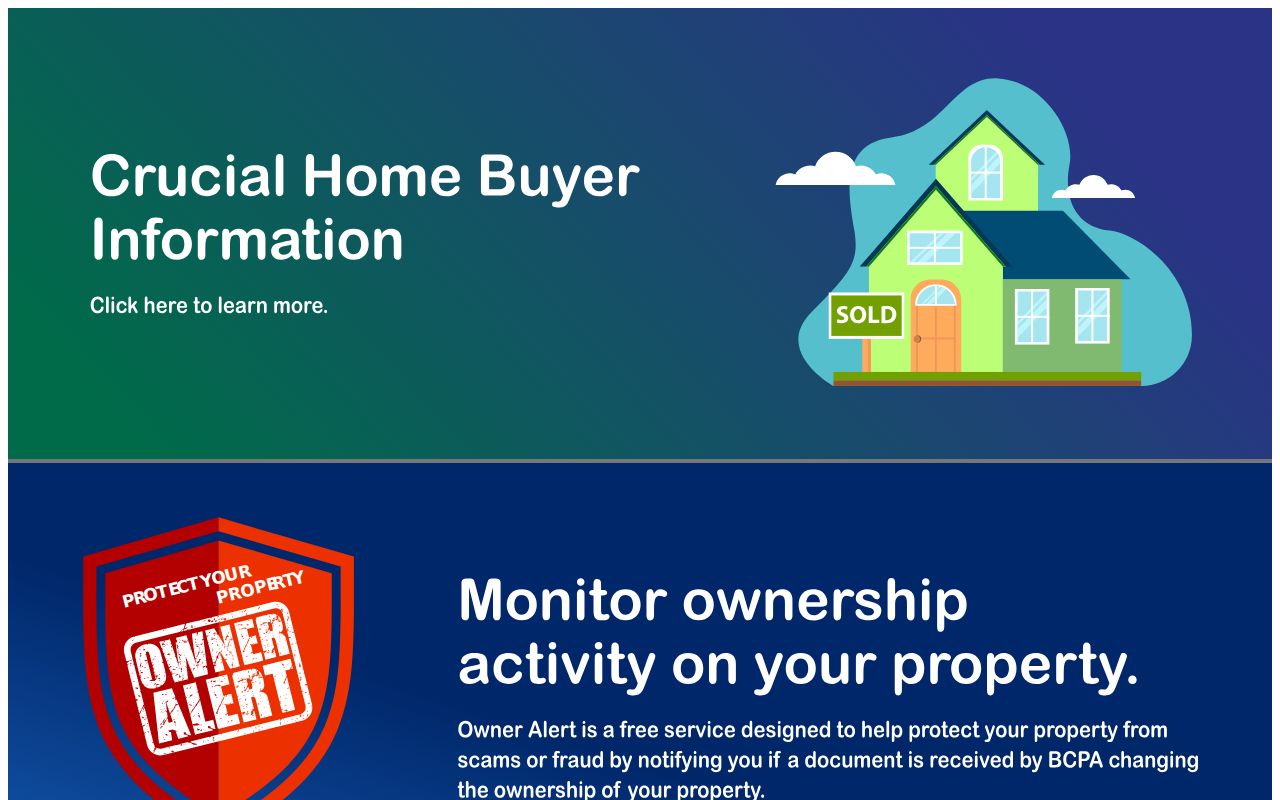
The official property screen supplies the first anchor. Its owner field does not establish every occupant, and its building year may reflect assessment treatment or later work rather than the first structure on the lot.
Trace Broward Deeds Backward
A deed chain is a sequence of recorded transfers affecting the same legal property. Begin with the current acquisition deed and verify the parcel or legal description. The grantee is the person or entity receiving an interest. The grantor transfers that interest. Once the current deed is confirmed, search its seller as a grantee in an earlier date range.
- Copy the present owner, parcel ID, legal description, and latest deed reference from BCPA.
- Open that deed in Broward Official Records. Record both execution and recording dates.
- Search the grantor as an earlier grantee. Match the legal description rather than relying on the name alone.
- Repeat one transfer at a time. Separate deeds from mortgages, releases, liens, easements, and notices.
- At the online cutoff, carry the book, page, party, and legal description to the recording office for older indexes and deed books.
- Grantor and grantee
- The party transferring an interest and the party receiving it.
- Chain of title
- The linked sequence of recorded ownership transfers for the same property.
- Legal description
- The lot, block, unit, subdivision, or other recorded land identity.
- Criss-cross directory
- A directory arranged by street and number, used to find listed occupants.
A quitclaim instrument records a transfer of whatever interest the grantor had. It does not prove a normal sale. Trusts, life estates, companies, and personal-representative deeds also require careful reading of the role and vesting terms.
Hallandale Beach Recorder Time Limits
Broward’s online chronology shapes every search for previous residents. Full party-name and document searching begins on July 7, 1977. The earlier band from March 9, 1972 has constrained access by instrument number, book type and page, or recording date. Anything before that is unavailable on the portal. Recorded plats and maps are the key exception because they remain searchable regardless of date.
Ask Broward Records, Taxes and Treasury for older grantor and grantee indexes, deed books, self-service terminals, microfilm, scans, or staff copies. Give an approximate date range and the last known reference. Florida Public Records Law can obtain existing index pages, but it does not require staff to conduct open-ended family research or create a new record.
Note: A recording date may be later than the signing date, so retain both when placing a transfer in the house timeline.
Pre-1915 Hallandale Resident Records
Broward County did not yet exist when Hallandale’s first recorded plat appeared in 1898. Broward formed in 1915 from parts of Dade and Palm Beach counties, and Hallandale had been in Dade. A pre-1915 deed, probate, marriage, or court lead may therefore belong under Dade County rather than Broward.
This county shift does not mean the property moved. It means the keeper changed. Search older Hallandale spelling, then compare the recorded plat, legal description, rail corridor, and historical map. The Town of Hallandale incorporated in 1927, and the Hallandale Beach name came later. Modern city and county labels should never be projected blindly onto an early record.
The old schoolhouse, Hallandale Cemetery, and the Curci or Moffitt property illustrate how fixed places can be rebuilt from preservation files, photographs, deeds, and municipal records even when a single occupant list is missing.
Hallandale Beach Past Household Trail
Deeds identify owners, not every person who lived in a home. Reverse directories, alphabetical directories, and public census schedules add the household layer. Search Hallandale, Hallandale Beach, Hollywood, Fort Lauderdale, Miami, and Broward titles because metro publishers did not always put each covered community in the title.
- Find the address or surname in a verified directory year. Copy the entry exactly, with page, title, publisher, and abbreviations.
- Repeat in nearby annual volumes. Note the first and last appearances, address change, spouse reference, occupation, and any “removed to” note.
- Pair a 1939 or 1940 directory with the 1940 census, and a 1949 or 1950 directory with the 1950 census.
- Compare household names with deeds, permits, obituaries, newspapers, and probate. Do not force a directory name into an unrelated parcel.
The 72-year rule makes 1950 the newest public federal population schedule in 2026. A directory date can lag the canvass, while a census records one set date. A missing name can mean vacancy, noncanvass, a shared line, editorial omission, or a spelling variant. The collection detail belongs on the Hallandale Beach city directories page.
Hallandale Beach Address Changes
Hallandale Beach uses quadrants around Hallandale Beach Boulevard and Federal Highway. An omitted NE, NW, SE, or SW can point to the wrong parcel. Older Hallandale wording and changed street treatment create more risk. No verified year-by-year street-renaming list was located, so legal descriptions, plats, and maps must carry the timeline.
Permits can date construction, additions, demolition, and major changes. The city reported 4,475 permit applications and 10,744 completed inspections or reinspections in FY 2024-25. Search the Building Division portal, then request a file when a document image is absent. A permit applicant or contractor is connected to the work, not automatically a past resident.
Sanborn fire-insurance maps can show footprints, materials, and uses where coverage exists. The Library of Congress Sanborn collection is an official starting point, but no Hallandale-specific sheet and year run was verified. Never claim local map coverage until the catalog or sheet confirms it.
Confirm Hallandale Beach Name Clues
A business or license address can help distinguish two people, but it is an affiliation, not automatic residence. Sunbiz records can show a company’s principal and mailing addresses, registered agent, officers or managers, and annual reports. Search historical filings when an owner appears as a company or when a home address also hosted a registered entity.
Open the official Sunbiz business name search to test an entity or officer lead.
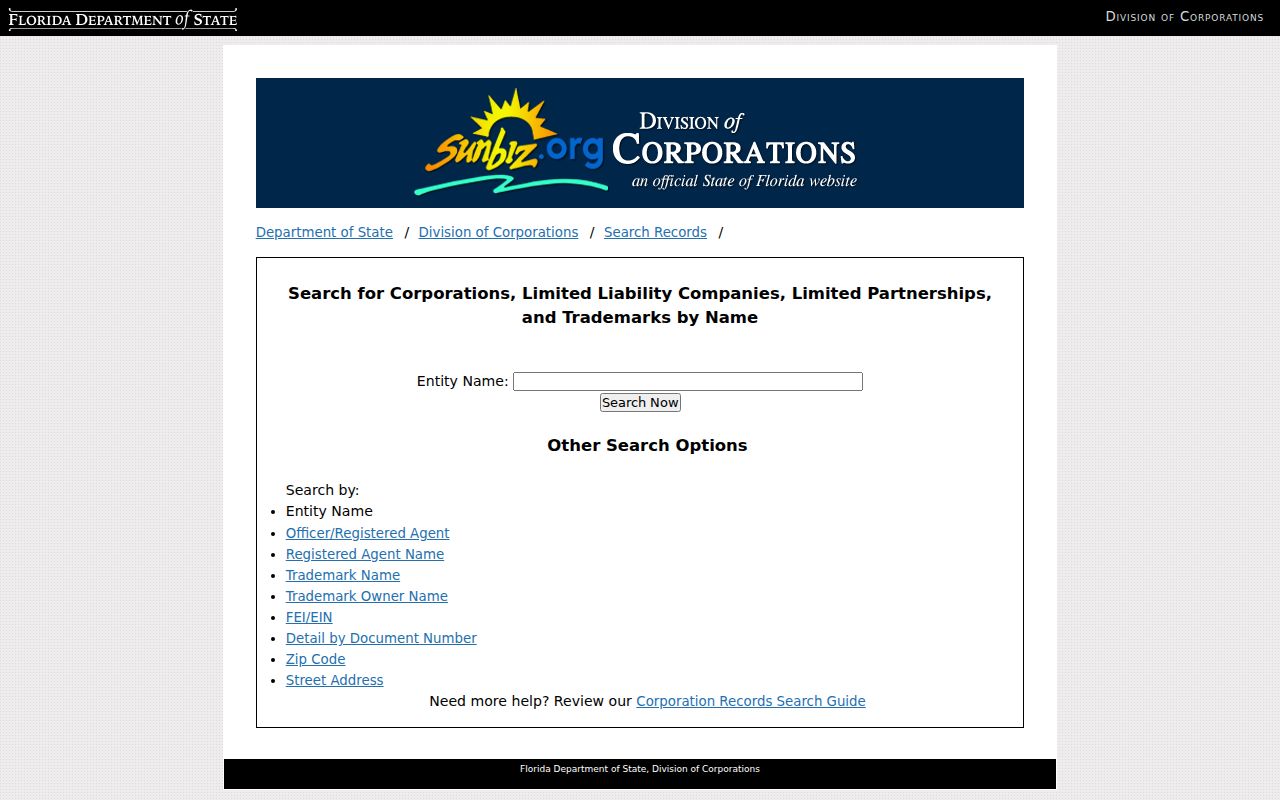
The filing screen can tie a name to a dated public role. Always inspect the annual report itself and compare its address with the parcel timeline.
The Florida DBPR License Search offers individual or organization names, license category, city, county, and an option for historic licenses. Four or more starting letters can broaden surname matching, while three or fewer are exact under its search help.
Review the current DBPR form before setting the name and location filters.
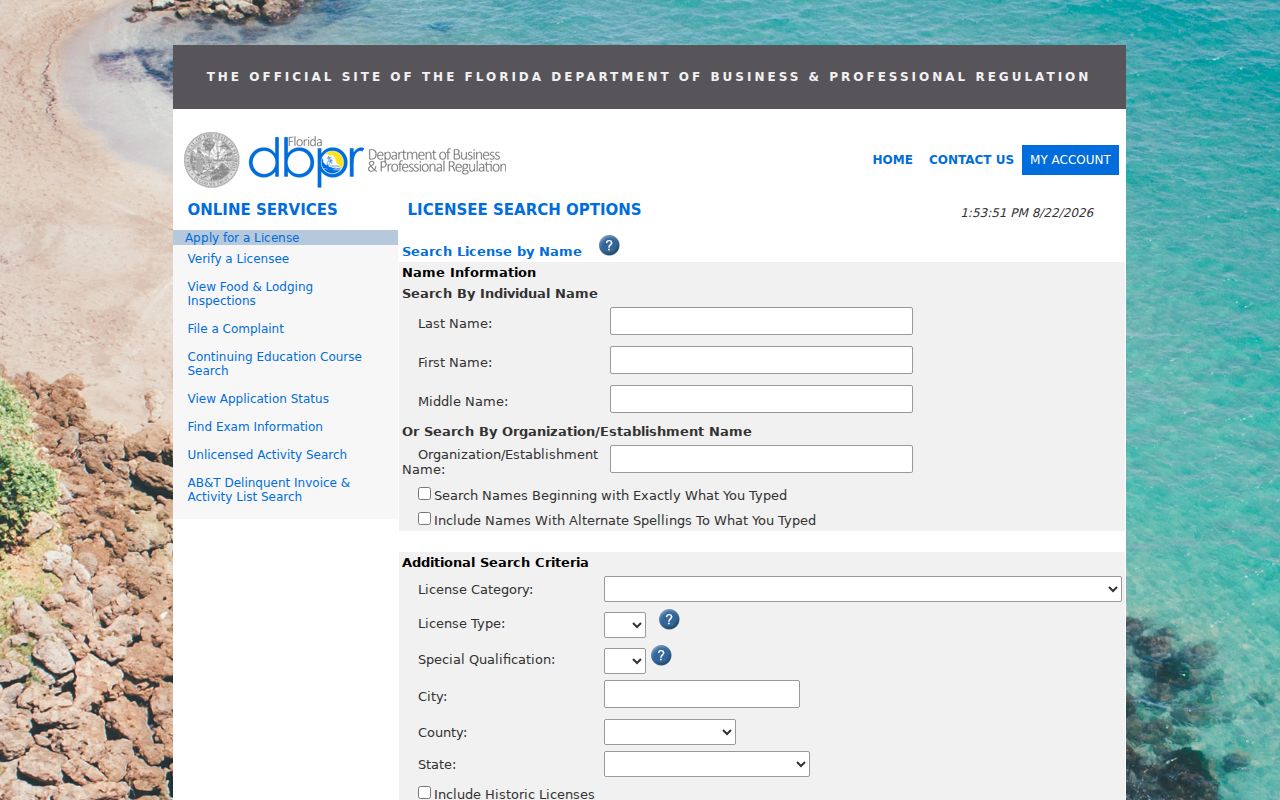
The result can confirm a regulated role and its dates. The address may be a place of business, so it remains supporting evidence only.
Close Hallandale Beach Resident Trails
An obituary can name relatives and former places, but it is reported evidence. Check it against a death certificate available under Florida’s access rules, cemetery material, probate, and deeds. Hallandale Cemetery has no verified public name index. Request a burial register, plot deed, interment card, or cemetery correspondence from the city when that site is relevant.
The Broward Clerk’s probate guidance directs researchers to its online Case Search or public terminals at Broward courthouses. A filed will, petition, order, or later personal-representative deed may connect a deceased owner to heirs. Restricted files must stay restricted. If no image appears, ask about a public terminal or a narrow records request rather than assuming no case exists.
Lawful use. Research Hallandale Beach previous residents for house history, genealogy, estate work, or personal curiosity. Never use a living person’s address trail to stalk, harass, threaten, or cause harm.
End with an evidence log. Record the source, query, date, record number, address form, person’s role, and unresolved conflict. That makes the past-resident conclusion clear without turning a clue into a fact.